
Traditional Dental Implants vs All-on-X: What Patients Should Know
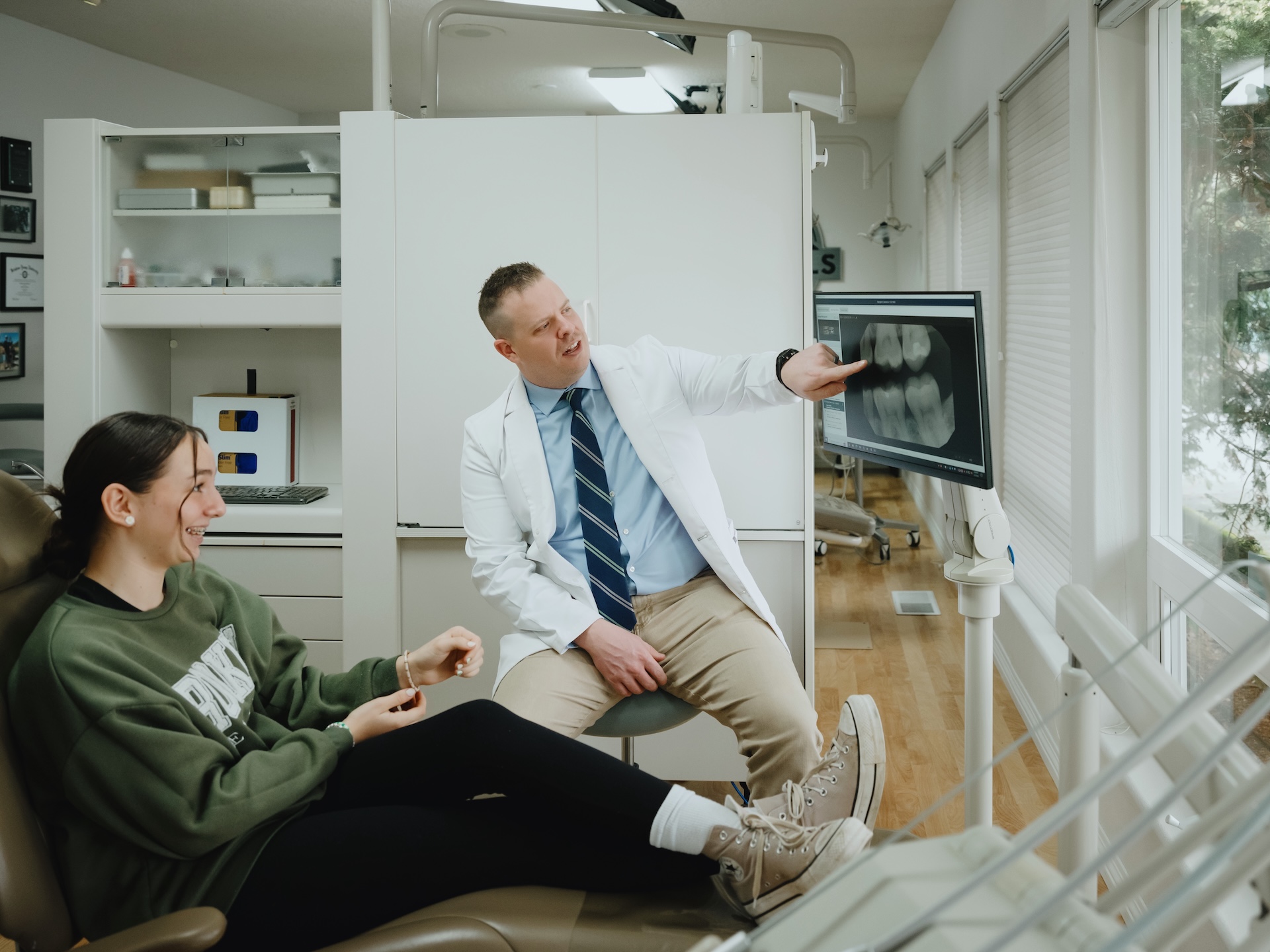
After years of helping families from Hillsboro, Beaverton, and Forest Grove restore their smiles, Dr. Rowley can tell within minutes whether a patient needs individual tooth replacement or full-arch restoration. The difference often comes down to one critical factor: how much healthy tooth structure remains and whether you're looking to preserve existing teeth or start fresh with a complete smile transformation. At North Hills Dental, our educational approach means you'll understand exactly why we recommend traditional implants, All-on-X, and their differences before making any decisions.
Quick Overview: Two Paths to Your New Smile
- Traditional implants: Individual titanium posts replace each missing tooth with a separate crown
- All-on-X treatment: Four to six strategically placed implants support a full arch of teeth
- Timeline difference: All-on-X often provides same-day temporary teeth, while traditional implants progress gradually over several months
- Investment approach: All-on-X typically costs less than replacing every tooth individually, but traditional implants may be more economical for just a few missing teeth
- Bone requirements: All-on-X can work even with some bone loss, while traditional implants may need bone grafting in compromised areas
Traditional Dental Implants: Rebuilding Your Smile One Tooth at a Time
Traditional dental implants function like artificial tooth roots made from titanium. Each implant replaces one missing tooth by anchoring into your jawbone and supporting a custom crown on top; think of it as rebuilding your smile exactly where nature intended each tooth to be.
Here's what happens during your treatment with us: First, we place the titanium implant into your jawbone during a comfortable procedure. Over the following months, your bone grows around and bonds with the implant through osseointegration. Once that healing completes, we attach an abutment and then your custom crown—often created the same day using our advanced CEREC technology.
Traditional implants work beautifully when you're missing individual teeth or several teeth in different areas of your mouth. Each implant functions independently, just like your natural teeth did. You can floss between them normally, and if one ever needs attention, it doesn't affect the others.
The preservation advantage aligns perfectly with Dr. Rowley's preventive philosophy: traditional implants maintain your jawbone exactly where each tooth was lost. When you chew, the force travels through the crown, down the implant, and into the bone, keeping that area healthy and strong for decades. (We'll explore how both implant types protect bone health in the section below.)
All-on-X: Complete Smile Transformation in One Day
All-on-X represents our approach for patients who need to replace most or all of their teeth in one arch. Instead of placing an implant for every missing tooth, we strategically position four to six implants to support an entire set of beautiful, functional teeth.
The engineering is quite clever: the back implants are angled to anchor into the strongest available bone and avoid sensitive areas like sinuses or nerves. This angled placement creates a wider foundation for support, similar to positioning table legs for maximum stability.
Here's what makes people say "wow, that was fast"—the transformation happens on the same day as your surgery. While traditional implants require months of healing before you receive your final teeth, All-on-X treatment often allows us to attach a temporary set of teeth immediately after placing the implants. You walk in with failing teeth or dentures and leave the same day with a brand new smile. This same-day transformation is one of the biggest advantages of All-on-X (we'll break down what recovery looks like later).
Over the following months, as your implants integrate with your bone, we work with skilled technicians to create your final set of teeth with the same attention to precision and quality that defines all our restorative work.
How These Choices Affect Your Overall Health and Confidence
The choice between these approaches affects much more than just your smile—it impacts your nutrition, confidence, and quality of life. When you lose teeth, your jawbone begins to shrink because it no longer receives the stimulation it needs from chewing.
While we touched on bone stimulation earlier, here's how the two approaches differ side-by-side: Traditional implants provide individual stimulation exactly where each natural tooth was lost; All-on-X focuses that stimulation on strategic points, which still helps maintain bone health while allowing complete arch restoration.
Your ability to eat well improves dramatically with either option. We see this transformation daily in our practice: patients from throughout the west side who couldn't enjoy fresh fruits, vegetables, and lean proteins with dentures suddenly rediscover foods they'd given up years ago.
Investment Considerations: Understanding Your Options
As mentioned above, the investment conversation really depends on how many teeth you're replacing, so let's break that down in more detail. Dr. Rowley believes in complete transparency about costs. If you need to replace all your upper or lower teeth with individual traditional implants, you'd need somewhere between 8-10 implants per arch. The total investment becomes quite substantial when you multiply that by the cost per implant plus individual crowns.
All-on-X treatment typically requires a smaller investment than replacing every tooth individually because you're only placing four to six implants and creating one connected prosthesis instead of multiple individual crowns. The exact savings depend on how many teeth you're replacing.
However, if you're only replacing a few scattered teeth, traditional implants might actually be more economical. The cost per tooth with traditional implants becomes very reasonable when you're not replacing an entire arch.
At our comprehensive consultations, we help you understand not just the upfront investment but the long-term value of each approach. We also offer complimentary consultations for both traditional implants and All-on-X procedures, because we want you to have all the information needed to make the best decision for your family.
Recovery Timeline: What to Expect
Earlier we touched on the different timelines. Here's what you can expect in real life, day-to-day. Recovery experiences vary significantly between these approaches, and understanding this helps you plan accordingly. With traditional implants, you're looking at a longer overall timeline but less intensive individual procedures.
For traditional implants, each placement is relatively minor—similar to having a tooth extracted. If you're having multiple implants placed, we often stage them to keep your comfort level manageable. Most of our patients are surprised when they say, "That was it? What was I so worried about?"
All-on-X recovery is more intensive initially because we're placing multiple implants in one appointment, but the overall timeline is often shorter. The first few days require more rest and a soft diet; however, many patients are amazed by how manageable the discomfort is with proper pain management and our sedation options.
The real advantage of All-on-X is psychological as much as physical. Instead of waiting months to see your final result, you leave with teeth the same day. These temporary teeth allow you to smile, speak, and eat soft foods immediately—often life-changing for people who've been struggling with failing teeth or uncomfortable dentures.
Who Makes the Best Candidate for Each Approach?
We've mentioned a few indicators already, but here's the full picture of who benefits from each option. Your specific situation determines which approach makes the most sense, and this is where Dr. Rowley's experience with both techniques becomes invaluable. Traditional implants work best when you have good bone density, healthy gums, and are missing individual teeth or small groups of teeth.
All-on-X becomes the better choice when you're facing extensive tooth loss or already wearing dentures that aren't working well. It's also excellent for people who have some bone loss, because the angled placement technique often allows us to work with the bone you have rather than requiring extensive grafting procedures first.
Age isn't necessarily a determining factor, but your overall health and healing capacity matter for both procedures. We also consider your lifestyle and preferences—some patients love the idea of getting their smile back in one day with All-on-X, while others prefer the gradual approach of traditional implants.
Longevity and Long-term Success
We cover some of this again in the FAQs, but here's the core takeaway: Both traditional implants and All-on-X have excellent long-term success rates when placed properly and maintained well. Traditional implants have the longer track record, with many lasting decades. The individual nature of traditional implants means that if one ever develops a problem, it doesn't necessarily affect the others.
All-on-X has a shorter but very positive track record. The connected nature of the prosthesis actually provides some advantages, as the implants share the chewing forces. However, this connection also means that if one implant develops issues, it can potentially affect the entire restoration.
Your daily care routine impacts the longevity of both options significantly. Traditional implants are maintained much like natural teeth through regular brushing, flossing, and professional cleanings. All-on-X requires special cleaning techniques and tools to keep the area under the prosthesis healthy.
Making Your Decision: Key Factors to Consider
- Consider your timeline: If you need teeth quickly for work or social reasons, All-on-X's immediate temporary teeth might be crucial
- Think about your eating habits: Both options restore excellent chewing ability, but All-on-X may have some initial dietary restrictions
- Evaluate your oral hygiene preferences: Traditional implants clean like natural teeth, while All-on-X requires specialized cleaning tools
- Factor in future flexibility: Traditional implants can be individually maintained or replaced if needed, while All-on-X is managed as a unit
- Consider your comfort with surgery: All-on-X involves one comprehensive procedure, while traditional implants spread the surgery over multiple appointments
Addressing Common Concerns
Many of our patients worry that All-on-X isn't as strong as traditional implants because it uses fewer implants. Actually, the strategic angled placement and connected prosthesis create excellent stability and chewing strength when properly planned and executed.
Some people think traditional implants always require bone grafting, but this isn't accurate. Many of our patients have adequate natural bone for immediate implant placement. We use advanced imaging to assess your bone and determine what's needed before any procedures begin.
There's also a misconception that All-on-X is just "fancy dentures." This couldn't be further from the truth. All-on-X teeth are permanently attached to your implants; you can't remove them, and they function much more like natural teeth than any type of removable denture.
You might worry that choosing All-on-X means losing healthy teeth unnecessarily. We only recommend removing teeth that are truly failing or would compromise the success of your treatment. Our extraction process is always conservative and focused on your long-term oral health.
Dr. Rowley's Approach: Education Before Decision
The decision between traditional implants and All-on-X ultimately comes down to your specific needs, goals, and circumstances. As we mentioned at the beginning, our process centers on patient education—we use photography of your teeth so you can see what we see, and most often patients treatment plan themselves once they understand their options.
Rather than pushing you toward any particular treatment, we explain what we see, show you using advanced imaging, then give enough information about what happens if you do nothing or if you choose treatment. You're in full control of your decision.
If you're missing a few teeth and want to preserve your existing healthy teeth, traditional implants usually make the most sense. If you or someone you know is facing extensive tooth loss, struggling with dentures, or want to rebuild your entire smile, All-on-X might be the better path.
Why Expert Evaluation Matters
While understanding these options is helpful, there's no substitute for a thorough evaluation. Every mouth is different, and what works beautifully for one person might not be the best choice for another.
During your consultation with us, we'll take detailed images of your bone structure, assess the health of any remaining teeth, and discuss your goals and concerns. This information helps us recommend the approach that's most likely to give you the best long-term results.
We also discuss your timeline, budget, and any medical factors that might influence your treatment. Some medical conditions or medications can affect healing, and we want to plan accordingly to ensure your success.
Frequently Asked Questions
Can I Get All-on-X Implants if I Have Significant Bone Loss?
Often, yes. The angled placement technique used in All-on-X allows us to utilize the strongest available bone and often avoid areas where bone has been lost. We use advanced imaging to assess your specific situation and determine if you're a candidate without additional bone grafting procedures.
How Long Do All-on-X Implants Last Compared to Traditional Implants?
Both options are designed to last many years with proper care. Traditional implants have a longer track record, but All-on-X has shown excellent success rates. Your individual results depend more on factors like oral hygiene, regular dental visits, and overall health than on which type of implant you choose.
Will I Need to Replace My All-on-X Teeth Eventually?
The implants themselves are designed to last a lifetime, but the prosthetic teeth on top may need replacement eventually due to normal wear. This is similar to how traditional dental crowns may need replacement over time. Most All-on-X prosthetics last many years before any replacement is needed.
Can I Eat Normally With All-on-X Implants?
Yes, most of our patients can eat nearly all their favorite foods with All-on-X implants. There's typically a period of adjustment where you'll stick to softer foods while healing, but once everything is settled, your chewing ability should be much better than with traditional dentures.
Is the All-on-X Procedure More Painful Than Getting Traditional Implants?
The All-on-X procedure involves placing multiple implants in one appointment, so there's more initial surgery than a single traditional implant. However, many of our patients find that having everything done at once is preferable to multiple separate procedures. We provide excellent pain management, and most patients are pleasantly surprised by their comfort level.
Your Next Steps Toward a New Smile
You've seen how each option works and what separates them. Here's the big-picture recap to help you decide: choosing between traditional dental implants and All-on-X is a significant decision that deserves careful consideration and expert guidance. Both options can transform your smile and your quality of life, but the right choice depends on your unique situation.
At North Hills Dental, we're committed to providing you with an elevated experience that puts your comfort and understanding first. Dr. Rowley has extensive experience with both traditional implants and All-on-X procedures, and we'll take the time to explain your options thoroughly using our visual approach to patient education.
Remember, this isn't just about replacing missing teeth; it's about restoring your confidence, your ability to eat well, and your overall quality of life. Whether you choose traditional implants or All-on-X, you're making an investment in your health and happiness that can last for decades.
We offer complimentary consultations for both traditional implant and All-on-X procedures because we believe you should have all the information needed to make the best decision for your situation.
Whether you're coming from Beaverton, Forest Grove, or anywhere in the greater Hillsboro area, contact our office today to schedule your consultation and take the first step toward your new smile.
connect with us
We look forward to meeting you.
Call (503) 648-4431 or request an appointment online to set up your first visit. We’ll be in touch soon.
