
Preventative Dental Care for Kids: What Parents Should Know
Preventative Dental Care for Kids: What Parents Should Know
Preventative dental care for children is one of the most important investments a parent can make in their child's long-term health. Healthy teeth support proper speech development, nutrition, and the growth of permanent teeth. The smile care habits formed early in childhood also tend to carry forward into adulthood.
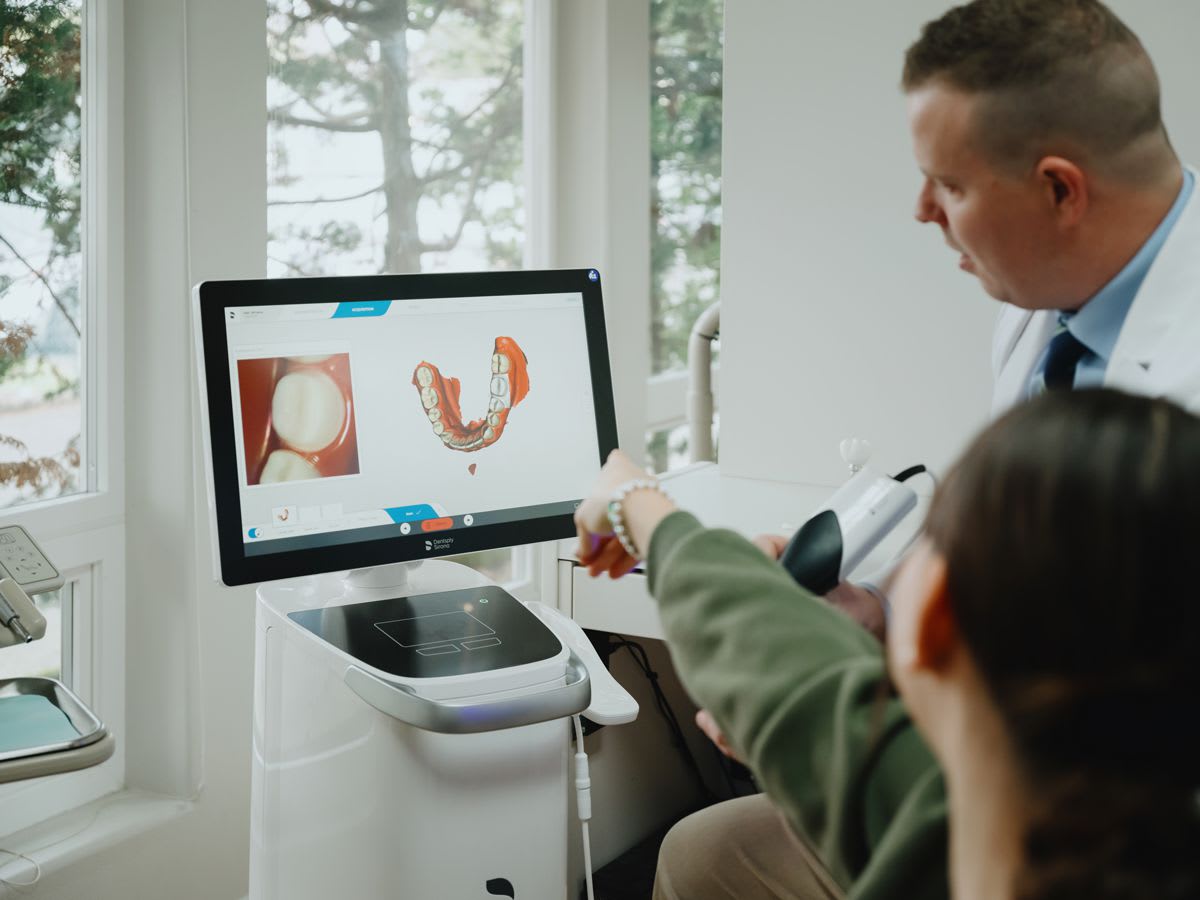
At North Hills Dental in Hillsboro, Oregon, Dr. Joshua Rowley and his team provide dental care for children and families with the same thoroughness and genuine attention they bring to every patient. This guide covers what parents should know about preventative care, from when to schedule that first visit, to what happens at a checkup, to how to build a home routine that actually works.
Continue reading to learn what preventative dental care looks like for children at every stage, and how North Hills Dental supports families in Hillsboro with care that is thorough, unhurried, and built around your child's comfort.
Quick Overview
- A child's first dental visit should be scheduled around their first birthday or within six months of their first tooth appearing.
- Preventative visits include professional cleanings, a dental exam, and age-appropriate treatments such as fluoride and sealants to protect developing teeth.
- Fluoride and dental sealants are established preventative tools that help reduce the risk of decay during the years children are most vulnerable to cavities.
- Daily brushing, flossing, and a balanced diet are the foundation of your child's oral health between professional appointments.
- How a child experiences dental care early on shapes their attitude toward it for life, making a welcoming and patient-centered practice an important choice for families.
When Dental Care Should Actually Start
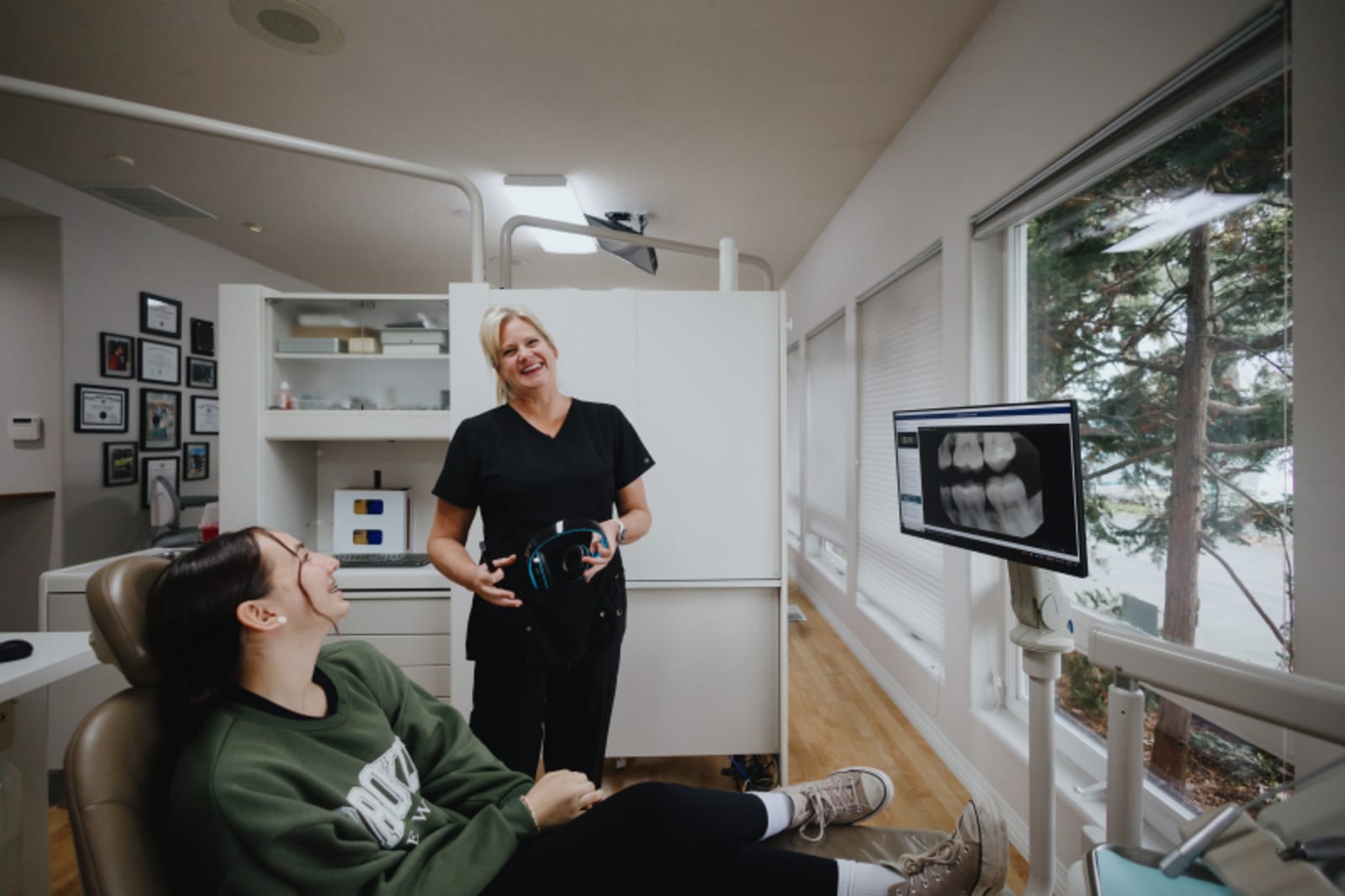
Many parents assume dental visits can wait until their child has a full set of teeth or is old enough for school. By that point, however, a child's oral development is already well underway. Issues that are straightforward to address in early childhood can become more involved if they go undetected.
The guidance from pediatric dental organizations is to schedule a first visit around the time the first tooth appears, or by your child's first birthday, whichever comes first. That first appointment is not about procedures. It is about establishing a baseline, identifying anything worth monitoring, and giving parents clear direction on what to do at home between visits.
Before that first visit, there are simple steps you can take to support your child's oral health:
- Wipe your newborn's gums with a clean, damp cloth after feedings
- Introduce a soft-bristled infant toothbrush once the first tooth arrives
- Use a small smear of fluoride toothpaste, about the size of a grain of rice, when brushing begins
These steps help establish familiarity with oral care routines before your child ever sits in a dental chair. Children who are comfortable with mouth care from an early age tend to have an easier time at their first dental visit and at every routine cleaning appointment that follows.
What Happens at a Preventative Visit for Kids
Knowing what to expect at a dental visit can help both parents and children feel more at ease. A preventative visit at North Hills Dental follows a straightforward process focused on your child's current oral health and long-term development.
A hygienist will begin with a thorough cleaning to remove plaque and tartar buildup. Dr. Rowley will then complete the exam. Depending on your child's age and dental history, the visit may also include:
- A fluoride treatment to strengthen enamel and support cavity prevention
- X-rays to evaluate what is happening below the gumline and between teeth
- An assessment of how the teeth are coming in, including spacing and bite development
These visits serve a purpose beyond cleaning. They give Dr. Rowley the opportunity to identify crowding, bite concerns, or early decay while they are still straightforward to address. Catching a developing issue early generally means simpler, less involved care down the road.
At North Hills Dental, your child's comfort and your time are taken seriously. The goal of every preventative visit is to give your child a clear picture of their oral health and send your family home with the information needed to support it.
Fluoride and Sealants: What They Are and What They Do
Fluoride and dental sealants are two preventative treatments that come up regularly at children's dental visits. If you have questions about either one, that is completely normal, and your dentist should be able to explain both clearly before any decisions are made.
Fluoride is a naturally occurring mineral that helps strengthen tooth enamel and makes teeth more resistant to decay. It has been a standard part of preventative dental care for many years. Dentists typically recommend fluoride for children starting around the time their first teeth come in, and it remains relevant for adults who are prone to cavities. At a routine visit, fluoride is usually applied as a varnish or gel toward the end of the cleaning appointment.
Dental sealants are a thin protective coating applied to the chewing surfaces of the back teeth, where grooves and pits tend to collect food and bacteria. Dentists commonly recommend sealants once a child's permanent molars come in. The application does not require drilling or removal of tooth structure.
Both treatments are options your dentist may recommend based on your child's specific needs. At North Hills Dental, Dr. Rowley takes time to explain what he is seeing and why a particular dental treatment may be worth considering, so you can make an informed decision for your child.
Building Habits at Home
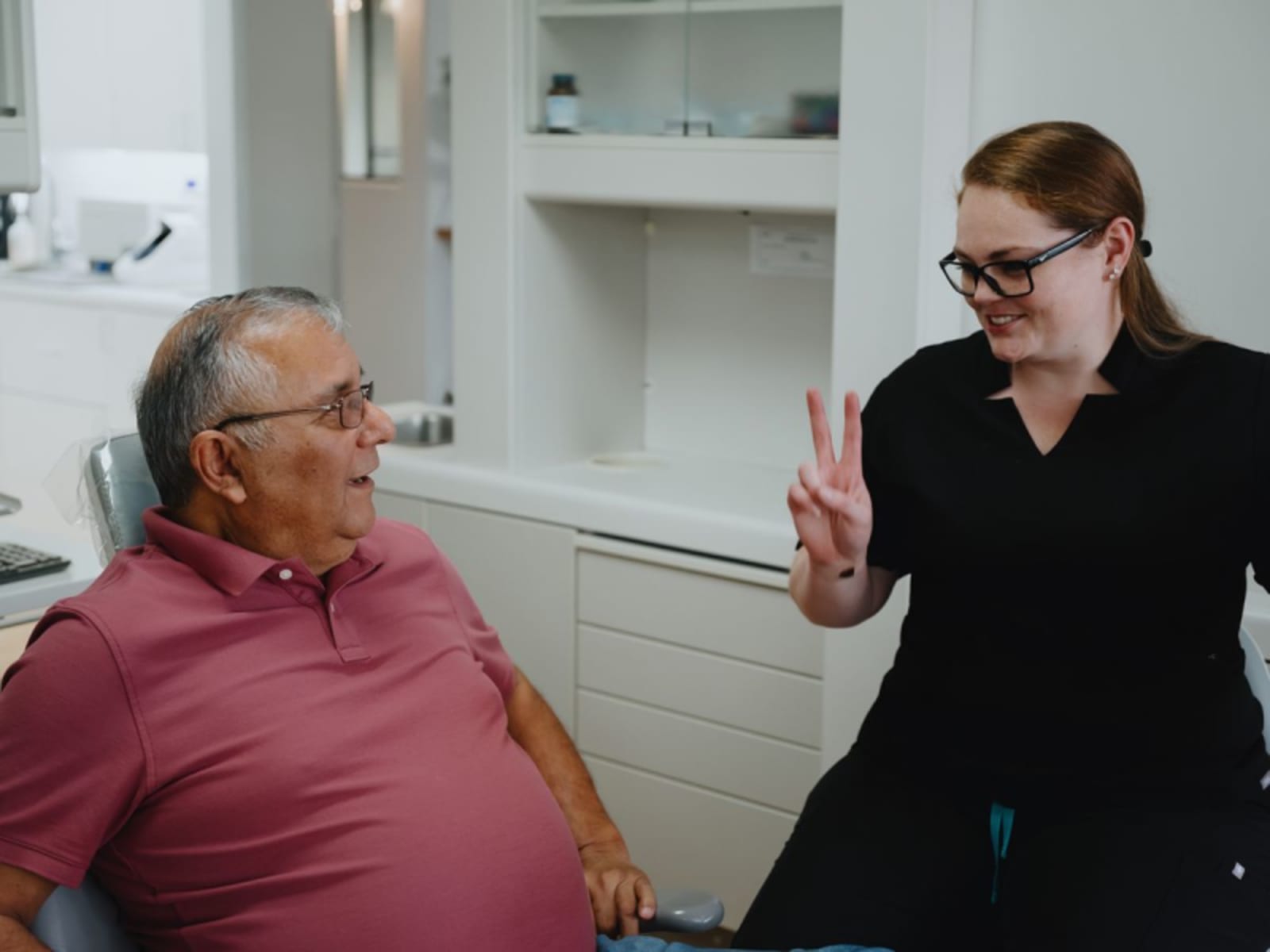
What happens between appointments is just as important as the visits themselves. A dentist can clean, examine, and guide, but the daily routine at home is where your child's oral health is shaped over time.
Brushing twice a day for two full minutes is the standard recommendation for children. Using a soft-bristled brush and a very small amount of fluoride toothpaste is appropriate once your child is past the infant stage. For younger children, a parent should handle brushing until the child has developed enough fine motor control to do it thoroughly on their own. A timer or a short song can help make the two minutes feel manageable and fun, even for kids who struggle to build the habit.
Flossing should begin as soon as two teeth are touching. Starting early helps establish it as a normal part of the routine rather than something introduced later as an afterthought.
Diet has a meaningful impact on dental health. Foods and drinks that tend to increase decay risk include:
- Sugary drinks such as juice, sports drinks, and flavored milk, particularly when sipped throughout the day rather than with meals
- Sticky foods like dried fruit, fruit snacks, and gummies that adhere to tooth surfaces
- Frequent snacking between meals, which limits the mouth's ability to recover from acid exposure
Water is the most tooth-friendly option between meals. Keeping snack times consistent rather than continuous gives the mouth time to neutralize acid between exposures. If decay does develop despite good home care, tooth-colored fillings are one option Dr. Rowley uses to restore affected teeth in a way that blends naturally with your child's smile.
Giving children some involvement in their own routine, asking them to choose their toothbrush color or toothpaste flavor, for example, can help with consistency. The goal is for oral hygiene to feel like a normal part of the day rather than something to resist.
Home care and professional care work together. Neither replaces the other, and both are necessary for long-term oral health.
How to Handle Dental Anxiety Before It Becomes a Pattern
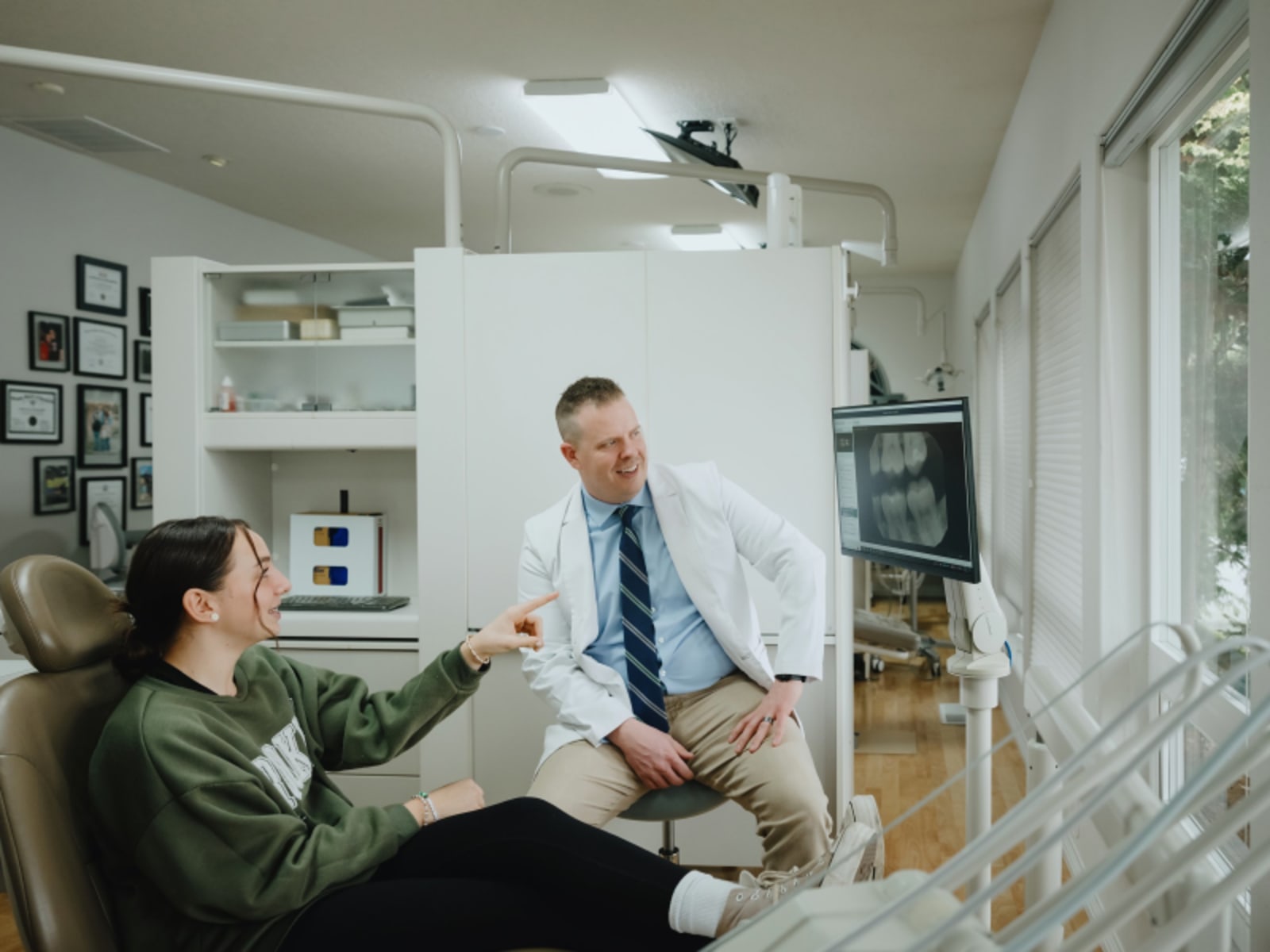
Building good habits at home is only part of the picture. How a child feels about dental care has a direct effect on whether those habits carry into adulthood.
Dental anxiety in adults often begins with a difficult experience in childhood. That early impression can be lasting, and parents sometimes reinforce it unintentionally. Phrases like "it won't hurt" or "don't be scared" can signal to a child that there is something to worry about, even when that is not the intention. The language used around dental visits matters more than most parents expect.
A few straightforward approaches can help shape a child's experience in a positive direction:
- Treat dental appointments as a normal part of healthcare, the same way you would approach a routine visit to their pediatrician
- Use calm, matter-of-fact language when talking about the dentist, regardless of your own feelings about dental care
- Choose a practice where the team is genuinely kind and the environment is welcoming from the start
That third point is worth taking seriously. Children who feel at ease during dental visits are more likely to continue seeking care as they get older, and consistent care is what makes prevention effective over time. At North Hills Dental, creating a comfortable, respectful experience for patients of all ages is a priority.
Welcoming Your Family to North Hills Dental
Preventative care works best when it's consistent, and consistency is easier when your child feels comfortable at every visit. At North Hills Dental in Hillsboro, Dr. Rowley and the team take children's dental care seriously, from the first tooth through the teenage years. The goal is straightforward: help your child build a healthy foundation and make sure each visit feels like a normal, expected part of life rather than something to dread.
If you're looking for a dental home for your family, we'd encourage you to talk with our team! We believe good dental care starts with trust, and we work to earn that from the very first appointment.
To schedule a visit for your child, call us at (503) 648-4431 or stop by our office at 4440 Northeast Cornell Road, Hillsboro, OR 97124. We're open Monday through Thursday and would be glad to welcome your family!
connect with us
We look forward to meeting you.
Call (503) 648-4431 or request an appointment online to set up your first visit. We’ll be in touch soon.
